

How to study
How to study.
From course era - https://www.coursera.org/

Focused Mode
Definition: This is the mode your brain uses when you're concentrating intently on something—like solving a math problem or reading a dense text.
Characteristics:
Relies on familiar neural pathways.
Best for tasks that require precision and logic. Activated when you're consciously directing your attention.
Example: Studying a formula or practicing scales on a piano.
Diffuse Mode
Definition: This is a more relaxed, open mode of thinking—used when you're daydreaming, taking a walk, or letting your mind wander.
Characteristics:
Engages broader neural networks.
Helps with creative problem-solving and big-picture thinking. Often leads to insights or “aha” moments.
Example: Coming up with a new idea while showering or solving a problem after stepping away from it.

How They Work Together
►You need both modes to learn effectively.
► Focused Mode helps you practice and understand details.
► Diffuse Mode helps you connect ideas and see patterns.
► You can NEVER be on both modes at the same time (like a coin, you can never see the both sides at the same time)

►Switching between the two, like taking breaks while studying, can dramatically improve retention and creativity.
Example:
Learning Vocabulary →Both Modes
Focused Mode: When you're memorizing word lists, using flashcards, or drilling definitions.
Diffuse Mode: When you're casually reading, watching a show, or chatting and a new word pops up — your brain connects it to other ideas without effort
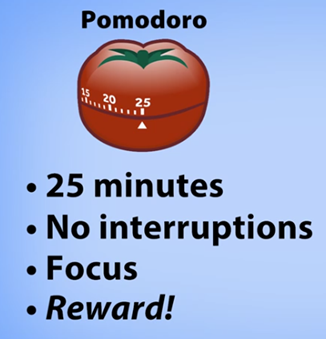
Pro Tip: Mix both modes for better retention. Study grammar and vocab with intention, then take a break (REWARD) — go for a walk, listen to music, or sleep on it. That’s when your brain starts weaving it all together.
The REWARD can be also: A few minutes of web surfing, a cup of coffee, or a bite of chocolate, even just stretching or chatting mindlessly, allowing your brain to enjoyably change its focus for a while. You'll find that using the Pomodoro technique is very effective. It's a little like doing an intense 25 minute workout at a mental gym.

If you study a little bit every day or use the pomodoro technique to relax in between session you are building a strong foundation for your learning, and you will remember better what you have studied

If you try to study all at once, or only at the day before test, you will be a mess, not remembering what you have learned
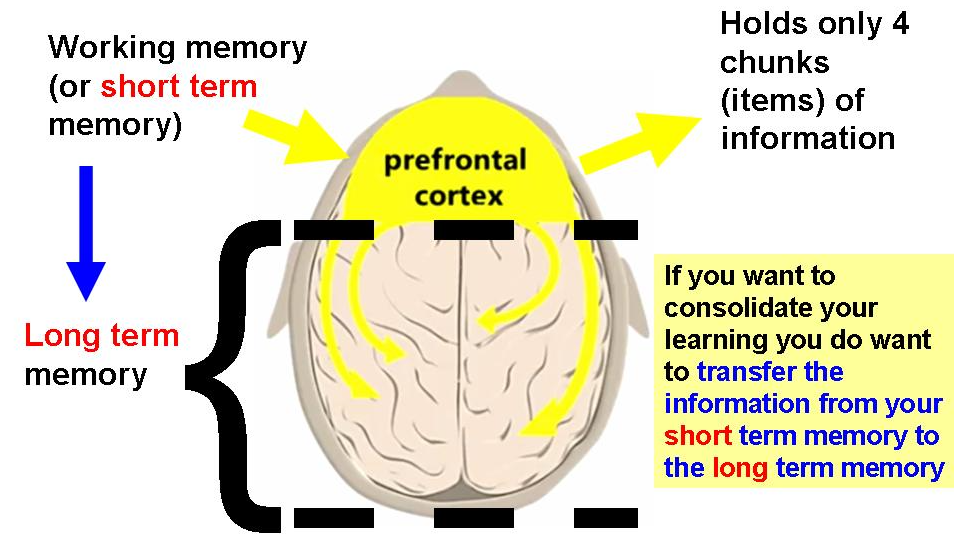
Long term memory is important because it's where you store fundamental concepts and techniques that are often involved in whatever you're learning about. When you encounter something new, you often use your working memory to handle it.
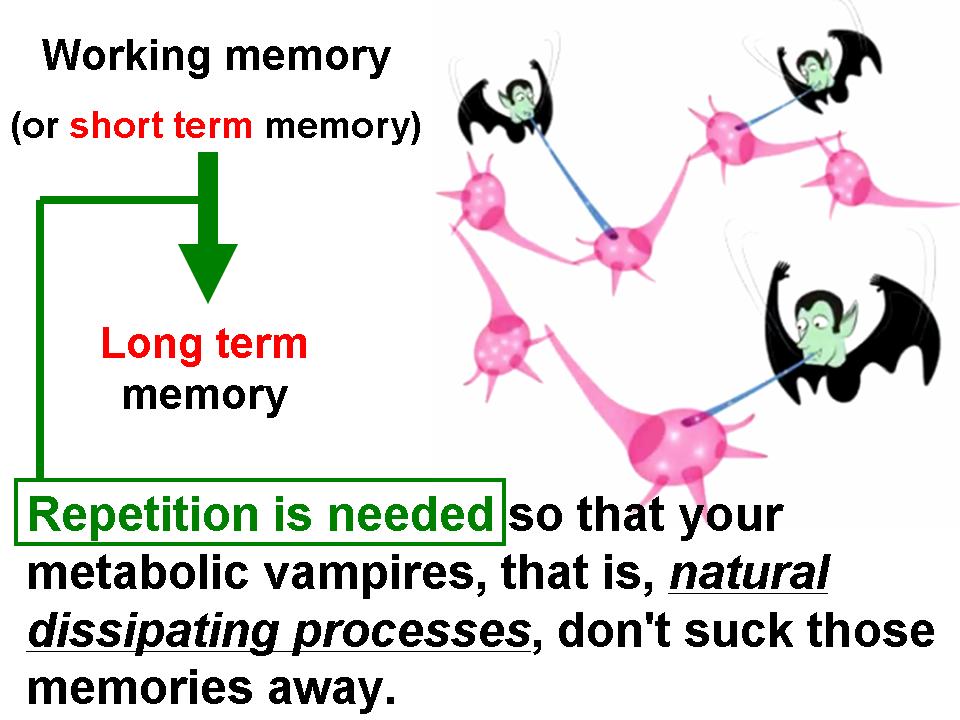
Research has shown that if you try to glue things into your memory by repeating something 20 times in one evening, for example, it won't stick nearly as well as if you practice it the same number of times over several days. This is like building the brick wall we saw earlier. If you don't leave time for the mortar to dry, that is, time for the synoptic connections to form and strengthen, you won't have a very good structure.
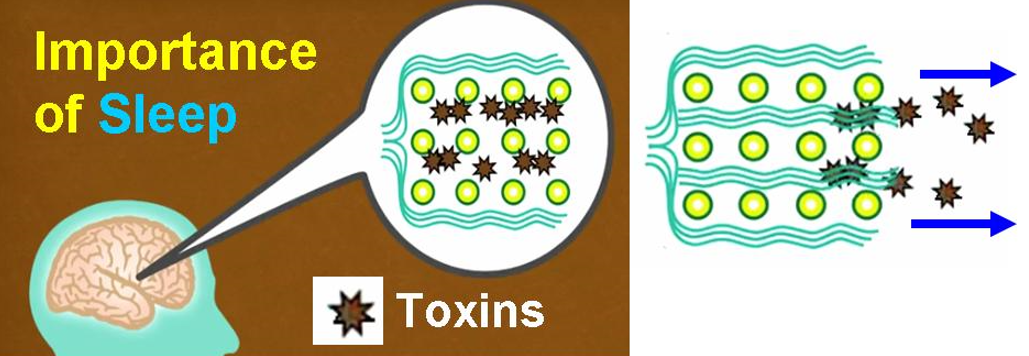
Being awake creates toxic products in your brain. Turns out that when you sleep, your brain cells shrink. This causes an increase in the space between your brain cells. It's like unblocking a stream. Fluid can flow past these cells and wash the toxins out. So sleep, which can sometimes seem like such a waste of time, is actually your brain's way of keeping itself clean and healthy.
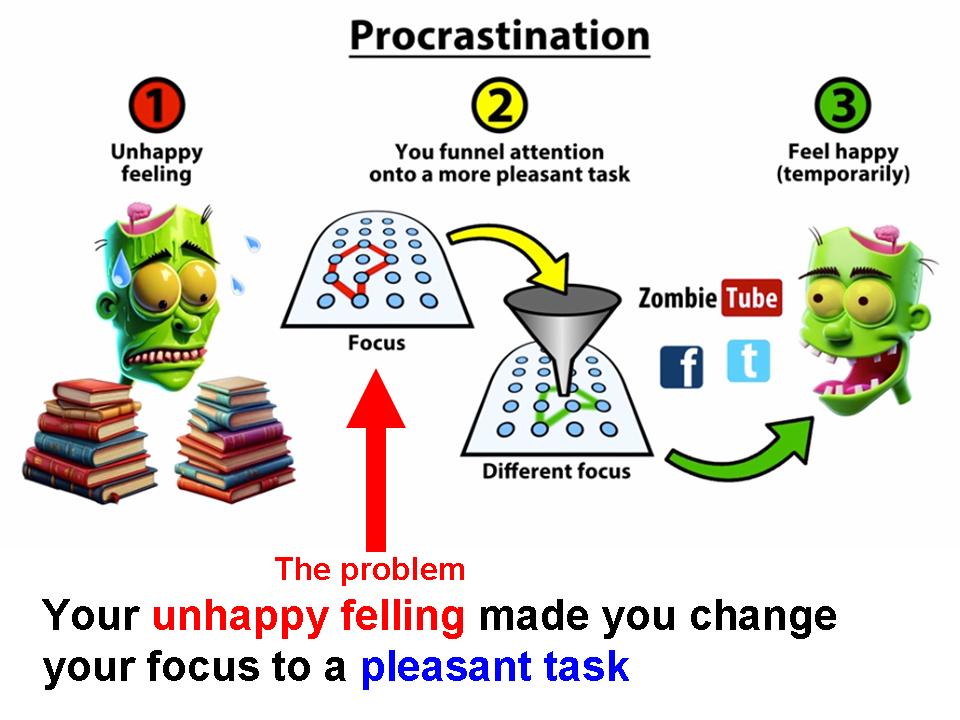


Product Thinking focuses on the end result—like writing a perfect essay, mastering a language, or finishing a big project. This mindset can trigger anxiety, perfectionism, and overwhelm, which often leads to procrastination.
Process Thinking, on the other hand, emphasizes the small steps and daily actions that move you forward. It shifts your attention from “I have to finish this” to “I’ll just start with this one part.”
✅ Why Process Thinking Works:
Reduces pressure: You’re not obsessing over perfection or outcomes.
Builds momentum: Small wins keep you motivated.
Encourages consistency: Daily effort becomes a habit.
Makes tasks feel doable: You focus on what you can control right now.

We once thought that all of the neurons in your brain were already present at birth, but we now know that in a few places, new neurons are born every day. One of these places is in your Hippocampus, a brain area that is very important for learning new things, these new neurons help you learn new things but they will die if you don't use them.
The best gift that you can give your brain is Physical Exercise. New experiences will rescue the new neurons that are born every day (not let them die). Exercise, interestingly, also helps new neurons survive. Exercise is by far, more effective than any drug on the market today to help you learn better. It benefits all of your vital organisms, not just your brain.

Summary:
- Find ways to practice a little bit, but every day. Don’t try to learn all at once, on the last day before test.
- Practice means repetition, so do it a little bit every day, it is not hard this way
- Use the Pomodoro technique – meaning studying on focus mode and take a break (difuse mode)
- Enjoy the process (don’t think of the Product)
- Sleep well and enough every day
- Exercise regularly

When I took this course, I had to write a small article as an assignment to be graded in order to complete the course, here is my article:
How to Learn More Productively
Learning is one of the most fundamental parts of life. Without it, navigating the world would be nearly impossible. Just imagine trying to live without ever learning a language—not even your native one. Communication would break down, relationships would be out of reach, and even basic interactions would feel like solving a puzzle without clues.
As a teacher, I see firsthand how crucial learning is. But I’ve also noticed something interesting: some students seem to learn more effectively than others. It’s easy to assume that those who perform better are simply more intelligent—but that’s rarely the case. Often, the difference lies in how they study, not how much they study.
I sometimes joke with my students: “Have you ever felt like you study harder than your classmates, only to get worse grades?” It’s a frustrating experience, but there’s a scientific explanation behind it.
Consistency Beats Intensity
The key to productive learning is consistency. Studying a little bit every day is far more effective than cramming everything into one long session. Why? Because of how our brains process and store information.
When you study, your brain first places that information into short-term memory. To transfer it into long-term memory, you need to reinforce it—ideally after a period of rest. This is where spaced repetition and sleep come into play.
Sleep and Memory Consolidation
During sleep, your brain undergoes a process called memory consolidation, where it strengthens and stabilizes the memories you formed during the day. If you study consistently and get good sleep, your brain has the chance to lock in what you’ve learned. So when you study a little each day (or every other day),you’re giving your brain time to relax, absorb, and consolidate the material. It might look like you're putting in less effort than your peers, but in reality, you're learning in a much more efficient and sustainable way.
The Takeaway
Studying smarter doesn’t mean studying harder. By embracing daily consistency, allowing time for rest, and prioritizing sleep, you’ll retain more information and perform better—without burning out. It’s not about how many hours you spend with your books, but how wisely you use them.

Article by Marcelo Gameiro
Published 27 Aug 2025

No comments:
Post a Comment